
Zagrosia
Engineering INC.
Designed wireframes, interactive prototypes, branding, and marketing materials for modern, user-centered digital experiences.
- Tools
- Figma, Illustrator, Photoshop
- Role
- UI/UX Designer & UX Researcher
- Timeline
- 10 Weeks
- Industry
- Structural Engineering
Project Overview
Zagrosia Engineering is a newly established structural engineering firm backed by more than 35 years of industry experience and 200+ completed projects. As the company prepared to launch its digital presence, it needed a website and visual identity that would communicate credibility, innovation, and technical expertise while differentiating itself within a competitive engineering industry.
As the UI/UX Designer and UX Researcher, I was responsible for designing the company's digital experience from the ground up. My role extended beyond website design to include competitive analysis, brand refinement, visual identity, business card redesign, wireframing, interface design, and interactive prototyping.
The primary goal was to create a professional, user-centered website that effectively communicates Zagrosia's expertise, simplifies complex engineering services, and establishes trust with potential clients while reflecting the company's modern, technology-driven approach.
Challenge
Designing Zagrosia's digital presence involved more than creating a visually appealing website. As a newly established company, the challenge was to communicate decades of engineering expertise while building credibility with prospective clients who had no prior familiarity with the brand.
The project presented several design and communication challenges that required balancing business goals with user-centered design principles.
Establishing Trust for a New Brand
Although Zagrosia was backed by more than 35 years of professional experience and over 200 completed projects, its digital presence was starting from scratch. The website needed to immediately communicate credibility, professionalism, and technical expertise.
Designing Within Existing Brand Constraints
Rather than creating a completely new identity, the client wanted to preserve important elements of the existing logo and branding. The challenge was to modernize the visual identity while respecting the company's vision and established symbolism.
Communicating Complex Engineering Services
Structural engineering involves highly technical information that can feel overwhelming to potential clients. The interface needed to organize complex services into clear, approachable content that users could easily understand.
Bridging the Gap Between Design and Client Understanding
One of the biggest challenges emerged during the wireframing stage. While low-fidelity wireframes clearly communicated the structure from a designer's perspective, they were difficult for the client to interpret due to their unfamiliarity with UX design processes. This required adapting both the design workflow and the presentation style to better support stakeholder understanding and collaboration.
Balancing Creativity with Client Expectations
Throughout the project, the client's vision evolved as new ideas emerged. Successfully navigating these changes required flexibility, open communication, and iterative refinement while maintaining a consistent design direction.
Research
Before beginning the design process, I conducted competitive analysis to better understand the structural engineering industry and identify opportunities for Zagrosia to differentiate itself.
Because I entered the project with no prior experience in structural engineering, research became an essential first step. Understanding the industry, the client's services, and the expectations of potential customers allowed me to make informed design decisions rather than relying on assumptions.
Research Insights
The competitive analysis revealed several recurring patterns across engineering websites.
Technical Information Often Overwhelmed Users
Many competitor websites relied on dense paragraphs and technical terminology, making services difficult to understand for prospective clients without engineering knowledge.
Limited Visual Storytelling
Most competitors emphasized technical information but lacked engaging visuals and clear content hierarchy, resulting in websites that felt dated and difficult to navigate.
Trust Was a Primary Decision Factor
Engineering clients seek confidence before contacting a company. Credentials, project experience, certifications, and professional presentation all played an important role in establishing credibility.
Opportunity for Innovation
Few competitors highlighted technological innovation or modern engineering workflows. This created an opportunity to position Zagrosia as a forward-thinking firm that combines decades of engineering expertise with automation, AI-assisted workflows, and digital innovation.
"Design Opportunity: Create a website that balances professionalism with accessibility by simplifying technical information, strengthening visual hierarchy, and showcasing Zagrosia's unique blend of engineering expertise and innovation."
Design Process
The project began by refining Zagrosia's visual identity before expanding into a complete digital experience. Every stage of the process combined research, client collaboration, and iterative design to ensure that business goals and user needs remained aligned.
Brand Identity
Working closely with the client, I refined the company's visual identity while preserving the elements that were most meaningful to the brand. Blue was selected as the primary color to communicate trust, professionalism, and reliability. Multiple typography and color combinations were explored before establishing a cohesive identity.
The logo refinement presented a unique challenge. Rather than creating an entirely new mark, I modernized the existing concept inspired by the Zagros mountain range, where the letters Z and E are integrated into the mountain form. Through several iterations, the design evolved into a cleaner and more versatile identity while preserving its original meaning.
Business Card Design
The client initially provided an existing business card and requested a modern redesign while maintaining the established brand identity. As the project progressed, the client's vision evolved, leading to a completely new concept that required multiple rounds of refinement before reaching the final approved design.
Wireframing
I began the website design by creating low-fidelity wireframes that defined the information architecture, content hierarchy, and overall page structure. While these wireframes effectively communicated the layout from a design perspective, they proved difficult for the client to visualize.
Recognizing this communication gap, I adapted the process by moving directly into medium-fidelity wireframes with realistic layouts and visual elements. This adjustment significantly improved collaboration and helped the project progress more efficiently toward the final interface.
Interface Design
With a stronger shared understanding of the project vision, I explored multiple interface concepts before developing the final high-fidelity designs. Each iteration refined the visual hierarchy, layout, typography, and interaction patterns while balancing creativity with the client's evolving expectations.
Interactive Prototype
After the interface was approved, I developed an interactive prototype to demonstrate the complete user experience. To create a distinctive yet intuitive navigation system, I designed a collapsible sidebar with expandable labels — providing a unique navigation experience while maintaining accessibility and maximizing available screen space.
Solution
The final solution combines strategic branding with user-centered interface design to establish Zagrosia as a modern, trustworthy engineering firm.
The website organizes complex engineering services into clear, accessible sections while emphasizing the company's decades of experience, innovative technologies, and client-focused approach. A strong visual hierarchy, intuitive navigation, and carefully structured content help users quickly understand available services and confidently explore the website.
Beyond usability, the solution creates a consistent brand experience across every touchpoint — from the refined logo and business card to the responsive website and interactive prototype — ensuring that every element communicates professionalism, innovation, and technical excellence.
Final Design
The final website presents Zagrosia Engineering as a forward-thinking structural engineering firm that successfully combines decades of industry experience with modern technology.
The interface emphasizes clarity through organized content sections, intuitive navigation, and strong visual hierarchy, making complex engineering services easier to understand without compromising technical credibility.
The collapsible sidebar navigation creates a distinctive browsing experience while remaining intuitive for first-time visitors. Throughout the website, consistent branding, thoughtful typography, and carefully balanced layouts reinforce professionalism while guiding users naturally through the company's services, projects, educational platform, and areas of expertise.
The result is a scalable digital experience that strengthens Zagrosia's brand, builds trust with prospective clients, and supports the company's long-term growth.
Reflection
Working on Zagrosia Engineering was a valuable opportunity to experience the complete lifecycle of a real-world design project — from research and brand development to interface design and stakeholder collaboration.
One of the most important lessons I learned was that successful communication is just as important as strong visual design. Adapting my workflow to better align with the client's understanding, rather than expecting them to understand traditional UX processes, led to more productive collaboration and better design outcomes.
This project also strengthened my ability to balance user needs, business objectives, and evolving client feedback while maintaining a cohesive design direction. Most importantly, it reinforced that thoughtful UX design extends beyond creating attractive interfaces — it requires empathy, flexibility, strategic thinking, and the ability to translate complex ideas into intuitive digital experiences.
View More Works
UI/UX Design • Digital Creative
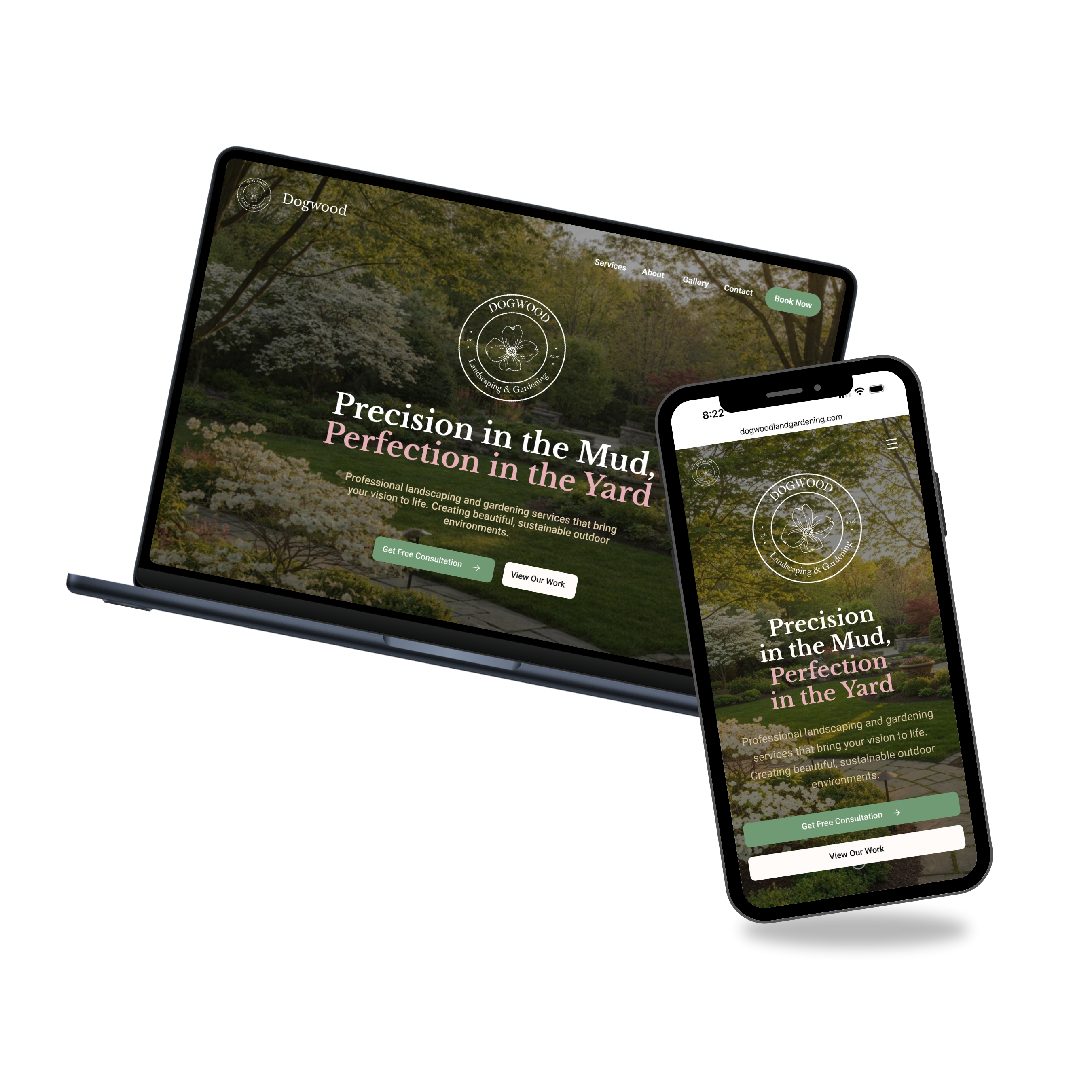
Dogwood Landscaping & Gardening
Freelance project involving wireframes, responsive web design, and front-end development tailored to the brand's identity.
UI/UX Design
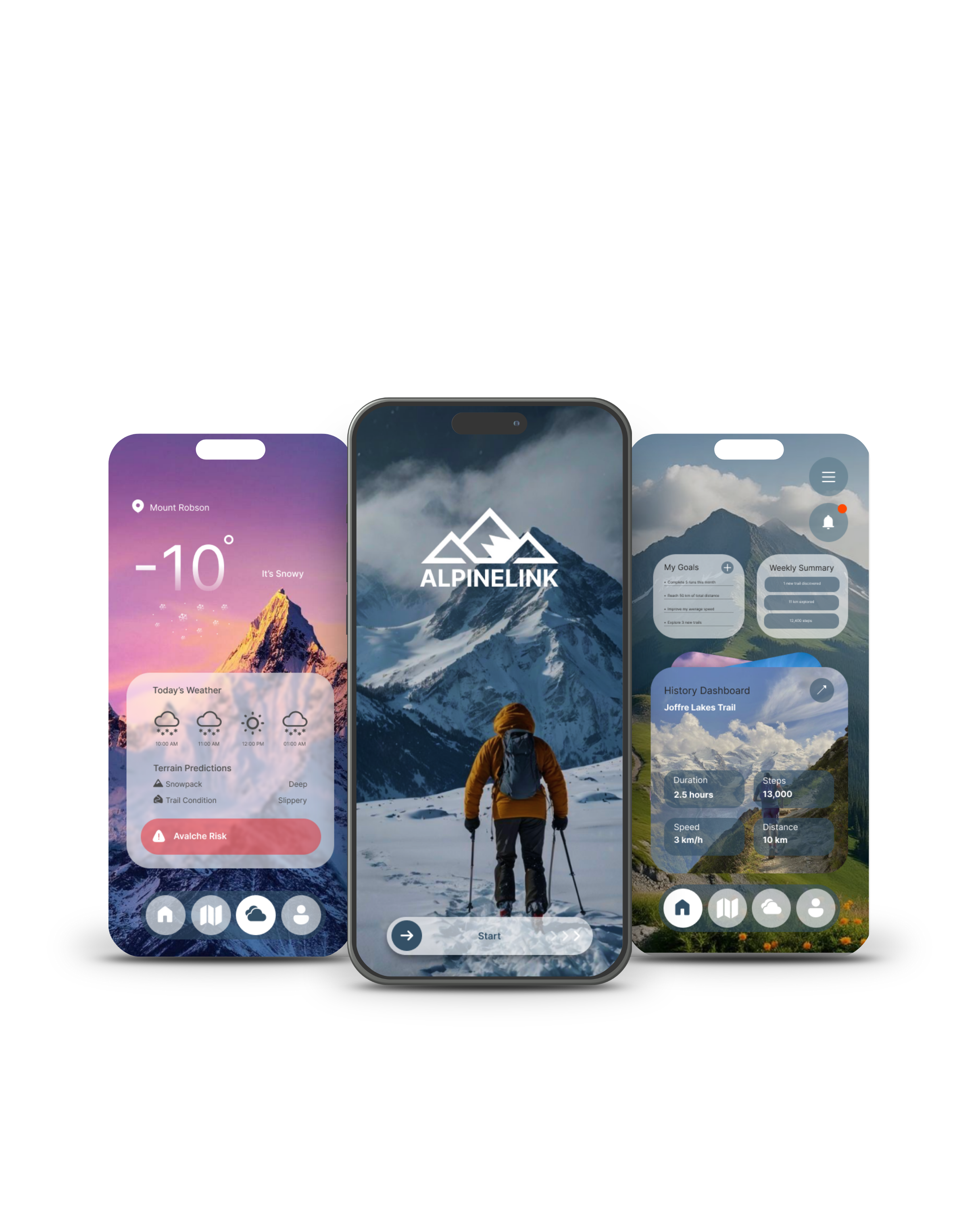
ALPINELINK
An app concept for hikers and outdoor enthusiasts, focused on accessibility, usability, and a more practical, visually appealing experience.
UI/UX Design
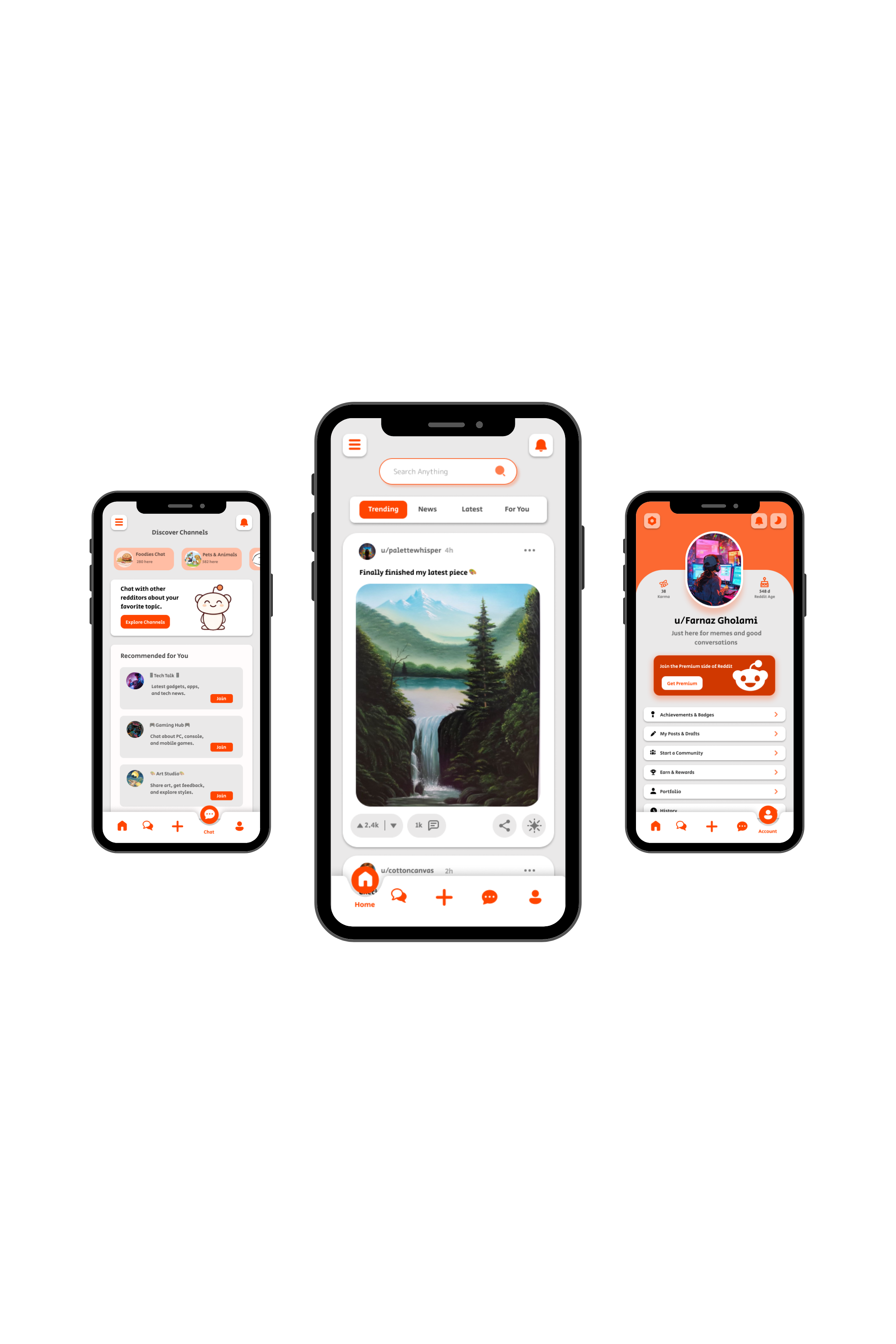
Reddit Redesign
BCIT UI/UX project focused on redesigning Reddit with a cleaner, more modern, and user-friendly experience.

UI/UX Design
SugarCloud Cupcake
Individual UI/UX project focused on creating a fully interactive Figma prototype using advanced prototyping techniques.
Social Media & Motion Design
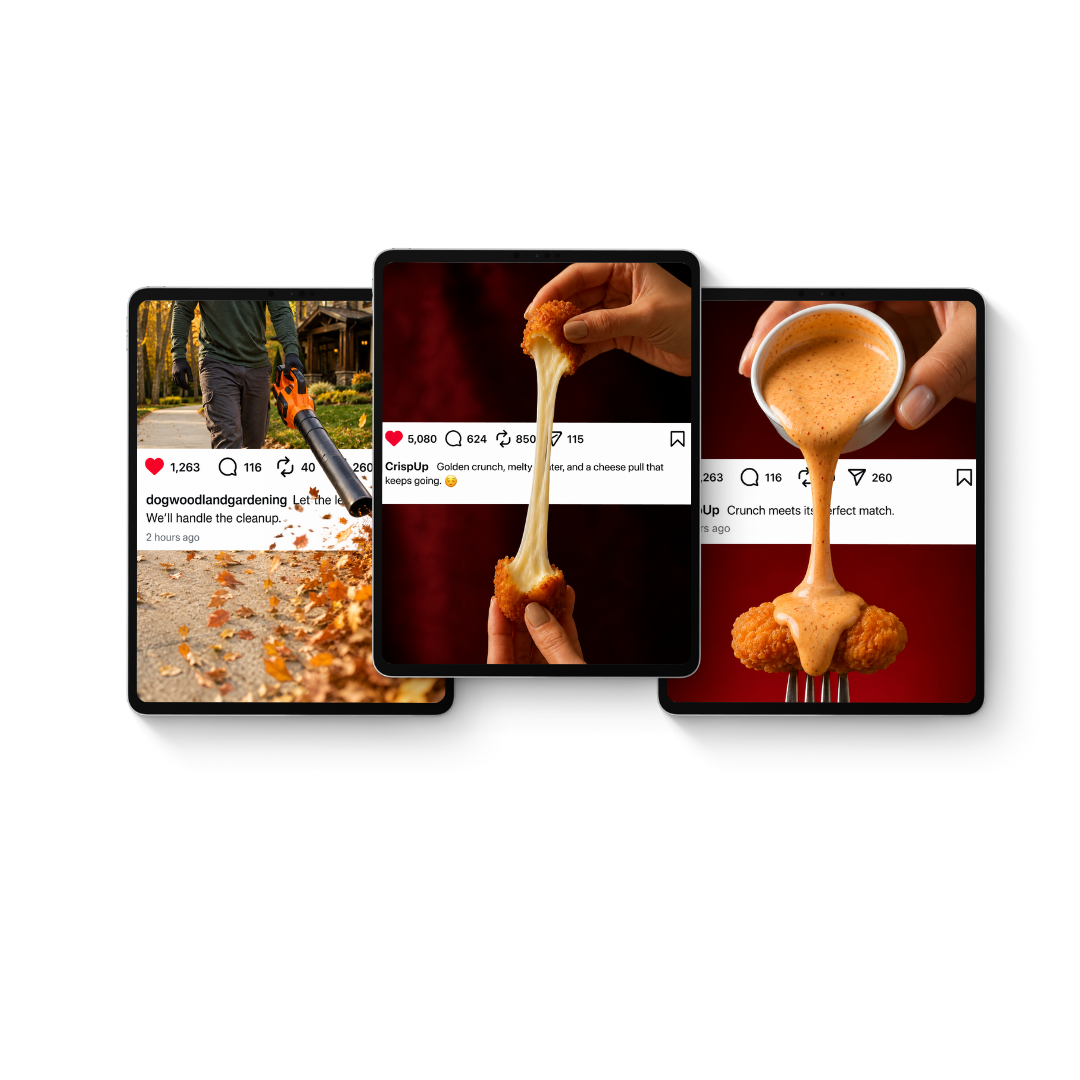
Breaking the Feed
An exploration of AI-assisted motion marketing — where one intentional movement, connected to the brand's message, transforms a static post into a scroll-stopping experience.
Brand Marketing & Social Media
One Logo, Many Places
A brand awareness reel for Dogwood Landscaping & Gardening — one logo, sixty environments, one recognizable identity.